What is Pre-Exposure Prophylaxis and How It Prevents HIV?
HIV is a serious and potentially life-threatening virus that can be transmitted through sexual contact, sharing needles or syringes, and from mother to child during pregnancy, childbirth, or breastfeeding. The good news is that there are effective ways to prevent HIV transmission, including Pre-Exposure Prophylaxis (PrEP). In this article, we’ll explore what PrEP is, how it works, who it’s for, and its effectiveness.
1. What is Pre-Exposure Prophylaxis (PrEP)?
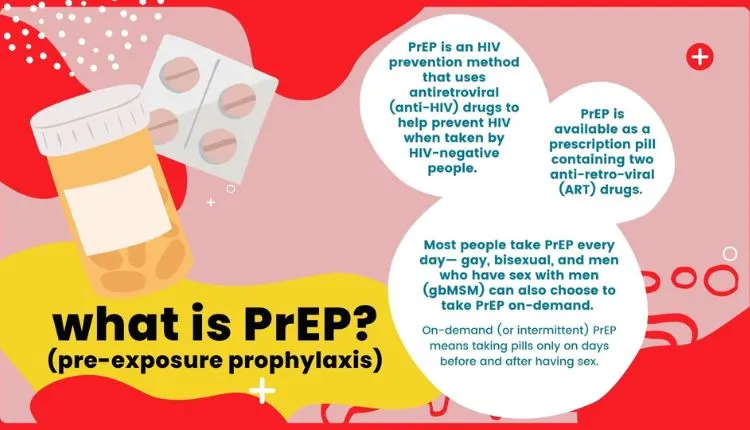
Pre-Exposure Prophylaxis, or PrEP, is a daily pill that can prevent HIV transmission. PrEP was approved by the FDA in 2012 and has been shown to be highly effective in preventing HIV transmission when taken as directed. PrEP contains two drugs, tenofovir and emtricitabine, which work together to prevent the virus from taking hold and spreading throughout the body.
2. How does PrEP work?
PrEP works by blocking an enzyme that HIV uses to replicate itself. By doing so, it prevents the virus from taking hold and spreading throughout the body. When taken as directed, PrEP can provide a high level of protection against HIV transmission. However, it’s important to note that PrEP does not protect against other sexually transmitted infections (STIs), and it should not be used as a substitute for condoms or other forms of protection.
3. Who should take PrEP?
PrEP is recommended for people who are at high risk of HIV transmission. This includes:
- Men who have sex with men and have condomless anal sex
- People who inject drugs and share needles or syringes
- Heterosexual people who have condomless sex with partners who are living with HIV, have a high viral load, or whose HIV status is unknown
- People who have been diagnosed with an STI in the past six months
- If you think you may be at risk of HIV transmission, talk to your healthcare provider about whether PrEP is right for you.
4. How effective is PrEP?
When taken as directed, PrEP is highly effective in preventing HIV transmission. According to the CDC, daily use of PrEP can reduce the risk of HIV transmission by up to 99%. However, it’s important to note that PrEP does not protect against other sexually transmitted infections, and it should not be used as a substitute for condoms or other forms of protection.
5. What are the side effects of PrEP?
Like all medications, PrEP can cause side effects. The most common side effects of PrEP include nausea, vomiting, and headache. In rare cases, PrEP can also cause kidney problems or bone density loss. It’s important to talk to your healthcare provider about any potential side effects before starting PrEP.
6. How is PrEP taken?
PrEP is taken once a day, every day, at the same time. It’s important to take PrEP as directed to ensure maximum effectiveness. If you miss a dose, take it as soon as you remember, but never take two doses at once. It’s also important to get tested for HIV and other STIs regularly as recommended by your healthcare provider. They may also recommend regular testing for STIs and HIV to ensure that PrEP is working effectively.
7. Where can I get PrEP?
PrEP is available by prescription from healthcare providers. It can also be obtained from community health centers, health departments, and some pharmacies. If you’re interested in starting PrEP, talk to your healthcare provider about your options and where to get it.
8. Can I stop taking PrEP once I start?
If you’re no longer at risk of HIV transmission, your healthcare provider may recommend stopping PrEP. It’s important to continue taking PrEP as directed until your healthcare provider advises you to stop.
9. Is PrEP right for me?
PrEP may be right for you if you’re at high risk of HIV transmission. If you’re unsure whether PrEP is right for you, talk to your healthcare provider. They can help you assess your risk and determine whether PrEP is a good option.