Maximizing Your Trading Strategy With An Earnings Calendar
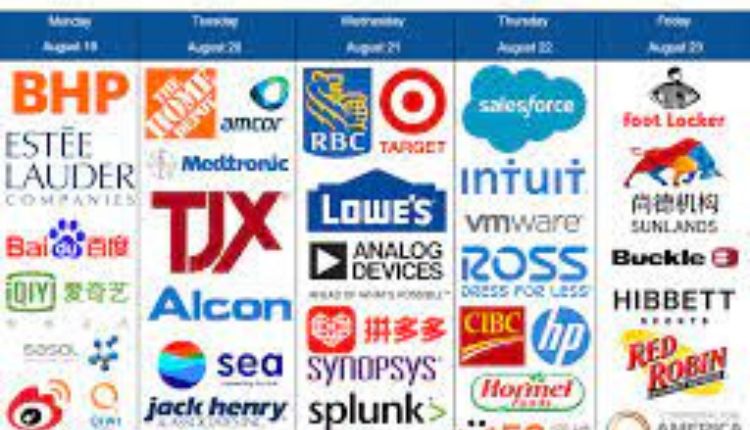
Introduction:
As an investor, keeping track of quarterly earnings reports can be crucial in making informed decisions about when to buy, sell, or hold your investments. An earnings calendar is a tool that can help you stay on top of upcoming earnings announcements and plan your trades accordingly. In this article, we will explore how to use an earnings calendar effectively to maximize your trading strategy.
What is an Earnings Calendar?
An earnings calendar is a schedule of the dates on which publicly traded companies release their quarterly earnings reports. This information is publicly available and can be found on financial websites or through your brokerage account. The earnings calendar can provide valuable insights into how a company is performing and can impact the stock price.
Why Use an Earnings Calendar?
Using an earnings calendar can help investors anticipate stock price movements based on a company’s performance. By keeping track of upcoming earnings announcements, investors can make informed decisions about when to buy, sell, or hold their positions. For example, if a company is expected to report strong earnings, the stock price may increase, providing an opportunity to sell for a profit. Conversely, if a company is expected to report weak earnings, the stock price may decrease, providing an opportunity to buy at a lower price.
Part 3: How to Use an Earnings Calendar? When using an earnings calendar, investors should pay attention to several key pieces of information. First, the earnings per share (EPS) estimate, which is the expected earnings per share for the quarter. Second, the revenue estimate, which is the expected revenue for the quarter. Finally, the previous quarter’s results and the company’s guidance for future earnings can provide valuable insights into how the company is performing.
Part 4: Trading Strategies with an Earnings Calendar There are several trading strategies that investors can employ when using an earnings calendar. One strategy is to buy or sell before the earnings announcement based on the EPS and revenue estimates. Another strategy is to wait for the earnings announcement and then trade based on the actual results and the company’s guidance. A third strategy is to use options to take advantage of potential stock price movements following the earnings announcement.
Conclusion:
An earnings calendar can be a valuable tool for investors looking to maximize their trading strategy. By keeping track of upcoming earnings announcements and paying attention to key pieces of information, investors can make informed decisions about when to buy, sell, or hold their positions. It’s important to remember that trading based on earnings announcements can be risky, and investors should always do their due diligence and consider their risk tolerance before making any trades.
FAQs:
- Can earnings reports be delayed or rescheduled? Yes, companies can delay or reschedule their earnings reports for various reasons, such as unforeseen events or accounting issues. It’s important to stay up to date with any changes to the earnings calendar.
- Can earnings reports impact the entire market? Yes, earnings reports can impact the entire market, especially if a large company reports unexpected results. This can lead to increased volatility and potential market-wide movements.
How often are earnings reports released? Earnings reports are released quarterly, typically around 45 days after the end of the quarter. Some companies may also release annual earnings reports.