Is Gel Manicure Safe During Pregnancy?
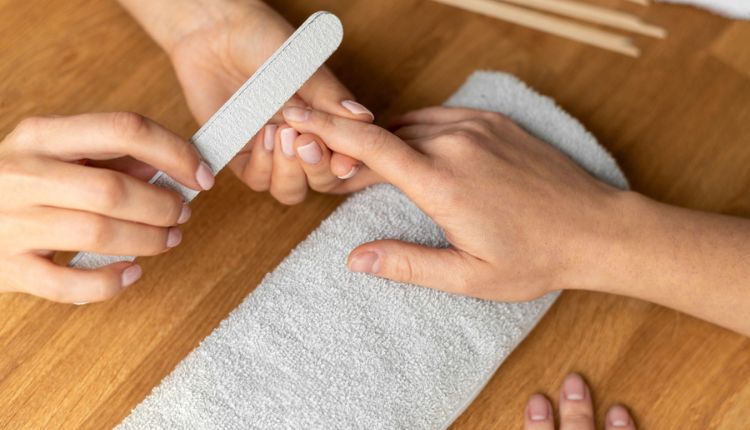
Pregnancy can be a roller coaster of emotions and changes for many women. Amidst all the preparations and pampering, a common question arises – is it safe to indulge in a gel manicure while expecting?
Introduction
When Sarah discovered she was pregnant, one of her first reactions – besides joy, of course – was to book a spa day. Among the treatments she wanted was a long-lasting gel manicure. But she paused to wonder: is it safe?
What is a gel manicure?
A gel manicure refers to a manicure using gel nail polish, which is a special type of polish that requires curing under a UV (ultraviolet) or LED (light-emitting diode) lamp. Here’s a breakdown of the process and its features:
- Preparation: Before applying the gel polish, the nails are cleaned, shaped, and buffed. The cuticles are pushed back, and any excess skin or debris is removed. This ensures the gel polish adheres properly to the nail.
- Base Coat: A specialized gel base coat is applied first. This coat is essential for the gel colors to stick to the nail properly.
- Curing: After applying the base coat, hands are placed under a UV or LED lamp for a specific duration, usually between 30 seconds to 2 minutes, depending on the lamp’s intensity and the product’s instructions. This “curing” process hardens the polish.
- Gel Polish Color: Once the base coat is cured, the gel nail polish color of choice is applied in thin layers. Each layer is cured under the lamp before the next is applied. Typically, two to three coats are applied for desired opacity and depth of color.
- Topcoat: A gel topcoat is applied to seal in the color and provide a shiny finish. This is also cured under the UV or LED lamp.
- Finishing: Any tacky residue left on the nails after the curing process is wiped away using a cleanser or alcohol, leaving a smooth, glossy finish.
Features of a Gel Manicure:
- Long-Lasting: One of the main appeals of gel manicures is their longevity. They can last up to two to three weeks without chipping, peeling, or fading.
- Glossy Finish: Gel manicures have a high-gloss finish that remains shiny throughout its lifespan.
- Instantly Dry: Thanks to the curing process, once the manicure is completed, there’s no waiting time. The nails are dry and resistant to smudges or dings immediately.
- Removal: Gel polish doesn’t come off with regular nail polish remover. It requires a specific removal process involving soaking the nails in acetone and gently scraping or buffing off the softened polish.
While gel manicures offer many benefits, it’s essential to note that frequent application and removal can be tough on nails, potentially leading to weakened nail beds or fungal infections if not done correctly. Proper nail care between manicures and occasional breaks can help mitigate these concerns.
Is it safe?
The safety of gel manicures has been a topic of discussion among both health professionals and beauty enthusiasts. While many people get gel manicures regularly with no issues, there are a few concerns and precautions to keep in mind:
- Chemical Exposure: The primary concern with any nail polish, including gels, is exposure to chemicals. Some gel polishes might contain harmful ingredients like formaldehyde, toluene, and dibutyl phthalate. However, many modern brands are moving away from these and offering “3-free”, “5-free”, or even “9-free” polishes, indicating the absence of a specific number of potentially harmful ingredients.
- UV Exposure: The curing process of gel manicures involves UV or LED lights, which emit ultraviolet rays. Although the exposure is brief, repeated use can increase the risk of skin aging and skin cancer, especially on the back of the hand. It’s advisable to apply sunscreen on your hands before getting a gel manicure or wearing protective gloves that expose only the nails.
- Nail Health: Frequent gel manicures without giving your nails a break can lead to nail thinning, brittleness, peeling, and even fungal infections. It’s essential to let your nails rest and recover between applications.
- Removal Process: Incorrect removal of gel polish can damage the nail bed and surrounding skin. It’s crucial not to pick or peel the gel off, as this can strip away layers of the natural nail. Instead, it’s best to soak nails in acetone and gently push off the softened polish, ideally under the guidance of a nail professional.
- Allergic Reactions: Some individuals might develop an allergy to components in gel polishes or the curing process. Symptoms can include redness, swelling, itching, or small blisters around the nails. If you suspect an allergy, it’s best to stop using the product and consult a dermatologist.
- Salon Hygiene: Ensure that the salon you choose practices proper hygiene. Tools should be sterilized, and technicians should wash their hands between clients. Poor salon practices can increase the risk of fungal or bacterial infections.
Gel manicures, when done correctly and safely, can be a great way to have long-lasting, beautiful nails. However, it’s crucial to be informed about potential risks and take measures to minimize them, like choosing reputable salons, opting for safer polish brands, protecting your skin from UV exposure, and giving your nails breaks between applications. If you have specific health concerns or conditions, consulting a dermatologist or doctor before getting a gel manicure might be a good idea.
Precautions
When considering gel manicures, it’s essential to take certain precautions to ensure your nail health and overall safety. Here’s a list of recommended precautions:
- Choose Reputable Salons: Ensure the salon has good reviews, follows hygienic practices, and uses high-quality products. Tools should be sterilized between clients, and the workspace should be clean.
Avoid Harmful Chemicals: go for gel nail polishes that are “3-free”, “5-free”, “7-free”, or “9-free”, meaning they are free of specific potentially harmful chemicals like formaldehyde, toluene, and dibutyl phthalate.
- UV Protection: Since UV or LED lamps are used to cure gel polish:
- Apply sunscreen to your hands (especially the back of your hands) before the manicure.
- Consider wearing UV-protective gloves that expose only your nails.
- Limit the duration under the UV/LED light as much as possible.
- Don’t Pick or Peel: Picking or peeling off gel polish can damage the top layer of your natural nail. Always have gel polish professionally removed or follow proper at-home removal techniques.
- Safe Removal:
- Soak nails in acetone (preferably in small bowls or using cotton balls wrapped in foil) to soften the gel before removal.
- Gently push the gel off using a nail stick. If it doesn’t come off easily, soak for a bit longer. Avoid forcibly scraping the nail.
- Moisturize: Gel polish and the removal process can be drying. Regularly moisturize your hands and nails with a good hand cream and cuticle oil.
- Take Breaks: It’s beneficial to give your nails a break between gel manicures to allow them to recover and breathe.
- Lookout for Allergies: If you notice redness, itching, swelling, or any other signs of an allergic reaction after a gel manicure, avoid getting another one and consult with a dermatologist.
- Maintain Nail Health: Between manicures, keep nails trimmed, filed, and nourished. Consider using nail strengtheners or biotin supplements (after consulting with a healthcare provider) to support nail health.
- Avoid Long Exposure to Water: Right after getting your gel manicure, avoid soaking your hands in water for extended periods, such as during long baths, as this might cause gel that lifts from the nail bed.
- Ventilation: Ensure the salon is well-ventilated to disperse fumes from nail products. If doing a manicure at home, open windows or use fans to keep the air clean.
Remember, while gel manicures are generally safe when these precautions are taken, it’s essential to listen to your body. If you feel that gel manicures aren’t suitable for your nails or health, consider alternative nail treatments.
Common Concerns Regarding Gel Manicures
The major concerns with gel manicures, whether you’re pregnant or not, include the chemicals found in the polish, and the UV/LED lights used in the drying process.
Specific Concerns During Pregnancy
During pregnancy, your skin may become more sensitive due to hormonal changes. This could make you more susceptible to reactions from chemicals. There’s also a concern about inhaling the fumes from these chemicals, especially if the salon isn’t well-ventilated.
Benefits of Gel Manicure During Pregnancy
However, it’s not all gloom and doom. A gel manicure can offer some benefits, especially for an expectant mom. Besides its aesthetic appeal, the longer-lasting nature means fewer salon visits, which can be a relief for those with a growing belly!
Tips for Safe Gel Manicure During Pregnancy
If you’re keen on getting a gel manicure during pregnancy:
- Look for polishes labeled “5-free”, “7-free”, or “9-free”, indicating they lack certain harmful chemicals.
- Ensure the salon is well-ventilated.
- Limit the frequency of your manicures.
- Use sunscreen on your hands or wear protective gloves to shield them from the UV/LED light.
- Always keep an open channel with your nail technician about your concerns.
Alternatives to Gel Manicure During Pregnancy
If you’re apprehensive about gel manicures:
- go for regular nail polishes, especially those with safer ingredient lists.
- Try nail wraps or stickers for a fuss-free alternative.
- Focus on natural nail care, such as buffing and nourishing with oils.
Conclusion
At the end of the day, the choice is personal. It’s all about balance – weighing the pros and cons and deciding what’s best for you and your little one.
Frequently Asked Questions (FAQ)
- What kind of manicure is safe during pregnancy?
Regular nail polish manicures are generally considered safe. However, always opt for brands that avoid harmful chemicals.
- Can you get gel or acrylic nails when pregnant?
Yes, but with precautions. Ensure good ventilation, use safer products, and limit exposure to UV/LED lights.
- Is the UV light for gel nails safe?
The UV exposure from gel manicure lamps is minimal, but repeated exposure can be harmful. Using sunscreen or protective gloves can help.
- Can you use acetone to remove gel nails when pregnant?
In small amounts and infrequent use, acetone is generally considered safe. However, ensure good ventilation and limit skin exposure.