How To Use Virtual Reality In Events
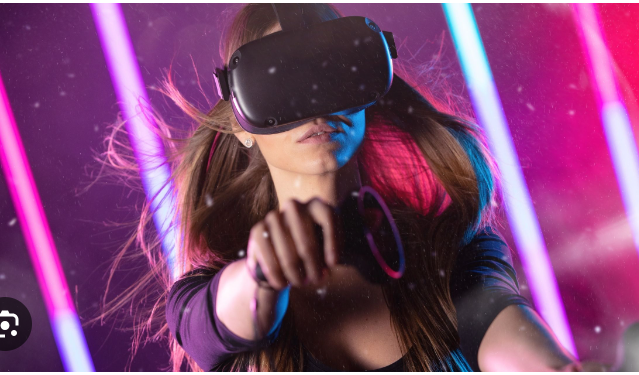
Virtual reality transports attendees into another world using technology that recreates a real-life setting. This allows for experiential learning and brand engagement that is more impactful than a standard presentation. Adding in immersive content is a surefire way to engage attendees. For example, Mercedes shared a VR experience that took attendees on a mountain exploration with their car.
1. Shared VR Activities
VR isn’t just for entertainment and gaming, it can also be used to bring people together. Social VR apps like AltspaceVR and Sansar host events in virtual spaces where participants can chat, draw, play games, create avatars, and attend real-time virtual meetings. Participants in this study explored a dynamic 3D virtual object collaboratively, leveraging embodied resources to solve complex problems. Five multimodality-interaction themes emerged that show how modalities interact to support collaboration in shared VR environments.
These themes include instances where the facilitator and collaborators directed each other with gestures and actions (e.g., pointing, instructing action, and measuring), which reflected the triad structure of collaboration in CSCL (Ludvigsen & Steier, 2020). Distributed roles also often evolve during a task. For example, Participant A might begin as a shape director and shift to a shape manipulator later in the interaction. This is because the body’s orientation and head/face movements were important signals for communicating with other participants.
2. Keynote Addresses
Using VR during keynote addresses can enhance the audience’s experience and make the speaker’s message more relatable. For example, at CES in 2017, Intel’s keynote speech included a VR adventure that took attendees on a wild ride that started with a wingsuit flight over Moab and ended with courtside seats to watch an NBA game. Another great use of VR during a keynote is incorporating brand storytelling. For instance, Mercedes used augmented reality to let attendees take a virtual hike with the owner and their dog in the mountains. This VR experience was both memorable and authentic for Mercedes’ attendees.
Attendees can also use VR to enhance their networking experience at events. Traditionally, networking sessions are a time for event attendees to meet and learn from each other. But, many events are turning their regular networking sessions into sequential VR experiences. Some examples include speed networking and introductory games. These vr events give attendees a unique opportunity to network without having to leave the comfort of their seats.
3. Product Launches
Creating an immersive event experience with VR is not only fun for attendees but can also create more engaging experiences. The use of VR in events can vary from training to gamification but be sure to use it with an intention to compliment your overall event vision. For example, using VR to give your audience a virtual tour of your venue can be an effective way to show off your venue. Or if you’re launching a new product, bringing your audience into the actual product with VR can help them better understand what it does for them.
For example, Coca-Cola used VR to take attendees on a Christmas ride that was filled with iconic red Coke trucks and snowy mountains. And for entertainment events, bringing your audience into the front row of a concert through VR can be an effective way to boost engagement. Anheuser-Busch brought this concept to a SXSW event by giving attendees a tour of their brewery that included seeing, hearing, and even smelling different areas of the facility.
4. Venue Visits
Taking attendees to places they’d normally need to travel to is an invaluable use for virtual event technology. It can be done for both virtual and in-person events. Give attendees an immersive venue tour with a branded experience to leave them wanting more. Bosch used VR to show how their products work in a real-world context while NRMA Insurance got participants behind the wheel of a showroom car to demonstrate how vehicle safety features have evolved over three decades.
At CES 2017, Intel gave attendees a VR experience that started with a wing-suit flight over Moab and ended with courtside seats at an NCAA basketball game. Anheuser-Busch also used VR for an event roadshow, giving visitors a tour of their St. Louis brewery to see, hear, smell, and taste how their beer is made. These are the types of brand experiences that build brand trust and set your event apart from the competition. This is a high-ROI investment that can be utilized long after the event is over.
Conclusion
VR is finding its way into consumer homes and work floors, and it’s becoming a highly effective tool for drawing engagement before an event, during the event, and even after the event. VR allows people to experience things that they can’t get from video media. For example, walking on a shaky piece of plywood in the “Walk the Plank” VR game is genuinely terrifying.