How to Get Rid of Sagging Jowls
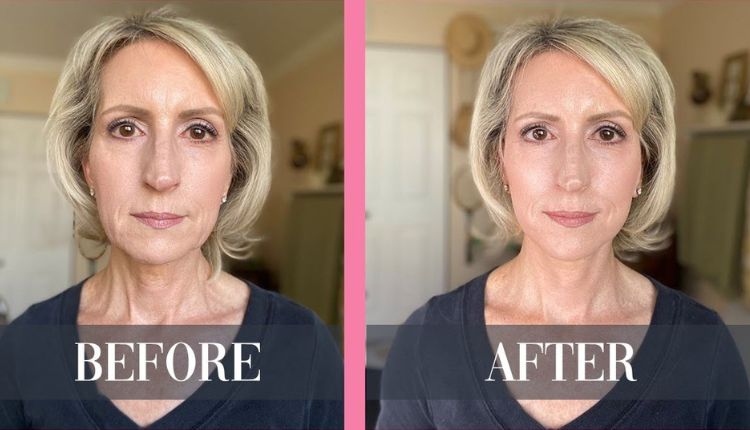
While age is the primary cause of sagging jowls, certain lifestyle and diet choices can speed up the development of these unsightly folds. A sedentary lifestyle, repeated facial habits, and rapid weight loss can speed up the onset of jowls. As we age, our bodies lose collagen and elastin; two important proteins that help
Maintain the skin’s elasticity and flexibility.
Surgical procedures
Sagging jowls are often the result of age-related changes in the facial tissues.
Various causes of aging, such as smoking and excessive sun exposure, can cause these tissues to lose firmness and elasticity. As a result, people suffering from
Jowls can look older than they actually are. In some cases, surgical procedures for sagging jowls can help improve the appearance of a person’s face and neck.
While there are non-surgical treatments for sagging jowls, these are generally
Ineffective. Some procedures, such as laser therapy, can boost collagen production and add volume to the face. Other procedures, as neck and face lift surgery, can
Also address jowls. The type of procedure performed will depend on the extent of the problem. In general, however, the most effective surgical procedure for jowls is a facelift.
Non-invasive cosmetic procedures
The good news is that there are non-invasive cosmetic procedures available to treat sagging jowls. Aside from exercise, laser therapy is one option for addressing jowls. Dermal fillers can also be used to treat jowls. If you have extensive jowls and are tired of looking in the mirror, consider facelift or neck lift procedures.
Thermage is another option. This procedure is designed to tighten and lift the area below the jawline. It can resolve jowls, crow’s feet, cellulite, and a double chin. The procedure also uses radiofrequency energy to firm up sagging skin. In addition to
lifting the area, this option also promotes collagen production.
Exercises
A good set of facial exercises for sagging jowls can tighten and tone the muscles in your neck and face that are responsible for sagging skin. A rece nt study conducted by Northwestern University concluded that certain facial exercises can improve the appearance of turkey neck and jowls. But beware: these exercises are not for
everyone. They could aggravate existing expression lines and make them worse.
One of the most effective lip exercises for sagging jowls involves clenching the
muscles in your mouth. Start by extending your upper lip over your lower. Then, lift your upper lip towards your nose, pulling the lower lip up. Hold this position for 20 seconds. Do several repetitions of each. Repeat each exercise for five days. If you find it hard to commit to a routine, try one exercise a day for a couple of weeks.
Diet
Sagging jowls are skin that droops down below the chin. Over time, this skin can become thinner and less elastic. There are many natural ways to prevent sagging jowls, including increasing the production of collagen, which helps keep the skin
firm and supports the underlying tissues. Sagging jowls can be caused by diet, so it’s important to eat a diet rich in collagen-producing foods. Additionally, certain
vitamins can help the body produce more collagen and elastin, which are vital proteins that can help jowls.
Exercise is another great way to get rid of sagging jowls, but it can’t be the on ly solution. There are nonsurgical treatments, including radiofrequency micro needling, which uses radiofrequency energy to shrink fat cells and tighten skin.
These treatments can remove years from your appearance and can be performed at home without the need for costly surgery. If you want a quick and easy way to
tighten jowl skin, a facelift is a good option.
Genetics
The genetics of sagging jowl development are largely based on your parent’s skin and body composition. Those with a family history of jowls are more likely to develop them. However, thin skin can also develop jowls. The skin’s elasticity causes it to contract and stretch with changes in body weight. As a result, if your parents or grandparents had jowls, chances are you will too.
The area below the chin that leads into the neck is known as the jowl. The skin on the neck is thinner than the rest of the body and will lose elasticity much sooner than it does on other parts of the body. In addition, the skin on the neck has lower collagen content than the rest of the body. Therefore, jowls are likely to develop earlier than changes in the rest of the face.
Check more articles