Examining the Safety Profile of Tepezza: Addressing the Emerging Concerns
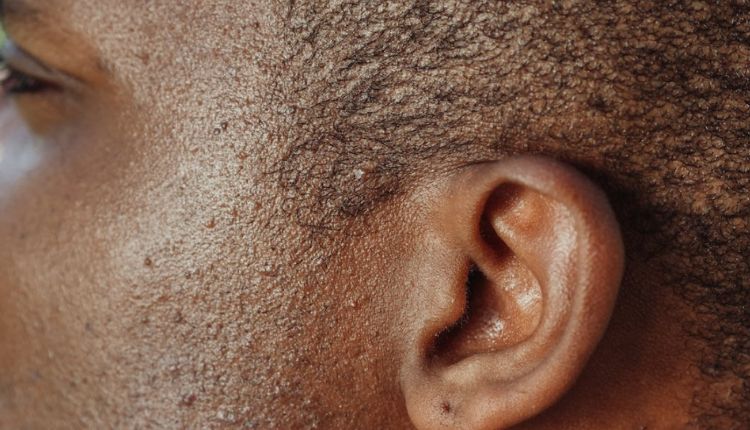
Tepezza (teprotumumab-trbw) has emerged as a groundbreaking treatment for thyroid eye disease. However, recent lawsuits and patient reports have raised concerns about potential risks related to hearing loss associated with the drug.
According to Drugwatch.com, the company previously said that hearing loss adverse effects were mainly insignificant and curable. However, according to one research published in the American Journal of Ophthalmology in February 2022, the proportion of hearing difficulties might be as high as 81.5%.
This article aims to explore the safety profile of Tepezza, focusing specifically on the reported cases of hearing loss and tinnitus.
Tepezza and the Lawsuits
Thyroid eye disease is an autoimmune condition that presents with symptoms such as eye swelling, redness, and vision problems. Tepezza, the first prescription drug approved by the FDA for this condition, has demonstrated promising outcomes in alleviating these symptoms and enhancing overall eye health.
According to an article by Medical News Today, Tepezza received FDA approval in January 2020 as the sole prescription medication endorsed for this particular purpose.
However, numerous patient reports have surfaced recently, linking Tepezza to hearing loss and tinnitus. This has led to people filing lawsuits against the manufacturer. Under the Tepezza lawsuit, it is being claimed that Horizon Therapeutics failed to adequately warn about the risk of hearing loss associated with the drug.
According to TorHoerman Law, plaintiffs allege that the company knew or should have known about these potential side effects. In addition, the plaintiffs argue that they would not have taken Tepezza or would have taken it with caution if they had been properly informed about the potential risks.
Managing the Risks and Benefits
While the reported cases of hearing loss associated with Tepezza are concerning, it is essential to consider the overall risks and benefits of the drug in the context of thyroid eye disease treatment.
Healthcare providers play a crucial role in helping patients weigh the potential risks against the benefits when considering Tepezza treatment. They should carefully evaluate each patient’s individual circumstances, including the severity of their thyroid eye disease and the impact it has on their vision and daily activities.
Shared decision-making is crucial in this process. Patients should be fully informed about the potential risks, including hearing-related side effects, and be provided with the opportunity to ask questions and express their concerns. It is important for healthcare providers to provide clear explanations and offer alternatives if necessary.
Monitoring and Early Detection of Tinnitus
Given the emerging concerns regarding hearing loss associated with Tepezza, regular monitoring and early detection of hearing-related side effects are crucial. Healthcare providers should incorporate comprehensive audiological assessments as part of the monitoring protocol for patients undergoing Tepezza treatment.
Baseline hearing tests should be conducted before initiating treatment, and regular follow-up assessments should be performed throughout the course of therapy. This proactive approach can help identify any changes in hearing function and detect potential side effects at an early stage.
Post-Marketing Surveillance
Post-marketing surveillance plays a crucial role in monitoring the safety profile of drugs, including Tepezza. It involves the systematic collection and analysis of data related to adverse events and side effects reported by patients and healthcare professionals.
According to the manufacturer Horizon Therapeutics, since the approval of Tepezza in 2020, they have conducted post-marketing monitoring to understand the overall safety profile of Tepezza, including hearing-related events. As previously mentioned, the manufacturer has claimed that the monitoring did not reveal any significant hearing-related problems induced by Tepezza. This claim has been actively denied by plaintiffs in the Tepezza lawsuits.
Patients play a vital role in post-marketing surveillance. They should be encouraged to report any adverse events they experience during Tepezza treatment to their healthcare providers.
Future Directions and Research
To address the concerns raised regarding hearing loss and other potential side effects of Tepezza, further research is needed. This research should aim to better understand the underlying mechanisms, identify potential risk factors, and explore strategies to mitigate or prevent these side effects.
Clinical trials and long-term observational studies can provide valuable insights into the safety and efficacy of Tepezza. These studies should include larger sample sizes, diverse populations, and longer follow-up periods to obtain more accurate and reliable data.
Additionally, research efforts should focus on developing strategies to minimize the risk of hearing loss and tinnitus associated with Tepezza. Collaboration among pharmaceutical companies, regulatory agencies, healthcare providers, and patient advocacy groups is crucial in driving this research forward and ensuring the safe use of Tepezza for patients with thyroid eye disease.
Summary
The safety concerns surrounding Tepezza and its potential association with hearing loss and tinnitus highlight the need for a comprehensive and balanced approach to its usage in the treatment of thyroid eye disease. While lawsuits suggest inadequate warning, healthcare providers play a crucial role in assessing individual patient circumstances and facilitating shared decision-making.
Regular monitoring and early detection of hearing-related side effects are vital, necessitating audiological assessments throughout the treatment process. Post-marketing surveillance and future research is essential for a deeper understanding of the risks and development of preventive strategies.
By fostering collaboration among stakeholders, we can ensure the optimal and safe use of Tepezza while addressing patient concerns and improving overall outcomes.