Change the Social Media Analytics Game with Netbase Quid
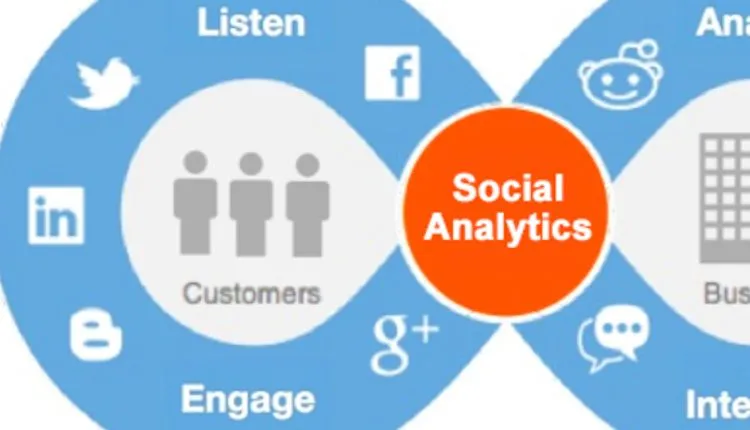
Social media analytics is the analysis and interpretation of the data that is generated through social media platforms. This data comes from various sources, including social media posts, user profiles, comments, and interactions. By analyzing this data, businesses and organizations gain insights into their audience, identify trends, and make informed decisions about their social media strategy.
NetBase Quid is dedicated to delivering the most comprehensive and accurate insights available. By utilizing artificial intelligence and machine learning algorithms, they are able to analyze vast amounts of data and extract valuable information that helps their clients gain an edge over the competiion. Because of this, leading companies such as Coca-Cola trust NetBase Quid to meet their social media analytics needs.
One of the critical benefits Netbase Quid delivers is the ability to understand and engage with consumers on a deeper level. By analyzing data from social media and other sources, clients gain a more comprehensive understanding of consumer interests, attitudes, and behaviors. This enables businesses to create more targeted and effective marketing campaigns, as well as to anticipate and respond to changes in the market.
But what are some of the key aspects needed to rise above the competition in the social media analytics game? There are five key areas to focus on and build an advantage.
Data sources
One of the first things to consider is the range of data sources that the tool can access. Look for a tool that can analyze data from a variety of social media platforms, including Twitter, Facebook, Instagram, and LinkedIn, as well as other sources such as blogs and forums.
Metrics
Different tools offer different types of metrics, so it is important to choose a tool that provides the metrics that are most relevant to each business. Some common metrics include engagement, reach, and conversions, as well as more advanced metrics such as sentiment analysis and brand sentiment.
Visualization
Look for a tool that offers clear and visually appealing graphs and charts, as this will make it easier to understand and interpret the data. Some tools also offer customizable dashboards, which can be useful for tracking specific metrics over time.
Ease of use
Consider the learning curve and user-friendliness of the tool. Ideally, a tool should be easy to use and require minimal training. This will make it easier to get started and ensure that all team members are able to use it effectively.
Integration
Look for a tool that can be easily integrated with other systems and tools that each business uses. This will make it easier to analyze data across different platforms and departments. This ensures that all relevant data is captured and analyzed.
In summary, when choosing a social media analytics tool, it is important to consider the range of data sources it can access, the types of metrics it provides, the clarity and visual appeal of its graphs and charts, its ease of use, and its ability to integrate with other systems. By considering these factors, each company can choose a tool that meets its needs.