The 10-Year Treasury Yield: An In-Depth Analysis Of Its Impact And Implications
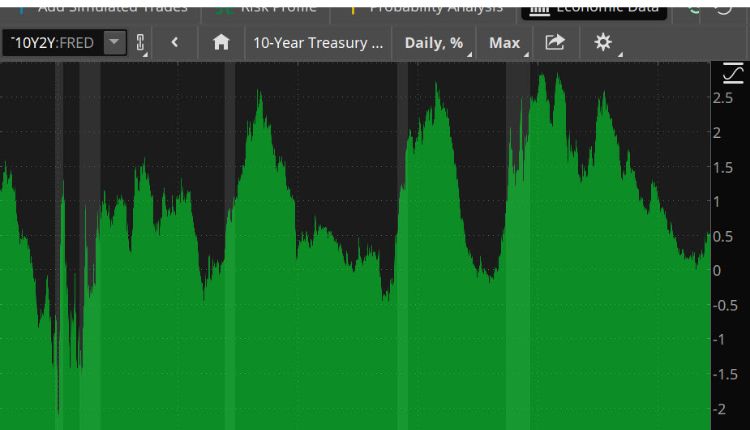
Introduction:
The 10-year Treasury yield plays a pivotal role in financial markets, influencing various sectors and serving as a barometer of economic health. This article delves into the significance of the 10-year Treasury yield, its determinants, and the implications it holds for investors, businesses, and consumers alike.
Understanding the 10-Year Treasury Yield:
The 10-year Treasury yield represents the interest rate at which the U.S. government borrows money by issuing 10-year Treasury notes. It serves as a benchmark for various financial instruments, including mortgages, corporate bonds, and student loans. Investors closely monitor this yield as it reflects market sentiment, inflation expectations, and the perceived risk associated with government debt.
Determinants of the 10-Year Treasury Yield:
Several factors influence the 10-year Treasury yield. Economic indicators such as GDP growth, inflation rates, and unemployment levels can have a substantial impact. Central bank policies, particularly those of the Federal Reserve, significantly influence the yield. When the Federal Reserve raises interest rates, it puts upward pressure on the 10-year Treasury yield, reflecting tighter monetary conditions. Conversely, a dovish stance by the central bank may lead to a decline in the yield.
Implications for Investors:
The 10-year Treasury yield is closely watched by investors, especially those in fixed-income securities. When the yield rises, the value of existing bonds decreases, as investors demand higher yields on new bond issuances. This can lead to a sell-off in the bond market and a shift towards higher-yielding investments. Conversely, when the yield falls, bond prices tend to rise, presenting a favorable environment for bondholders. Additionally, the yield serves as a benchmark for determining the required rate of return on various investments, affecting asset valuations across different markets.
Impact on Borrowing Costs: The 10-year Treasury yield significantly influences borrowing costs for consumers and businesses. Mortgage rates, for instance, tend to closely track the yield. When the yield rises, mortgage rates increase, making it more expensive for individuals to finance home purchases. Similarly, businesses face higher borrowing costs as corporate bond yields rise. This can impact investment decisions and overall economic activity.
Implications for Monetary Policy: Central banks, including the Federal Reserve, closely monitor the 10-year Treasury yield when formulating monetary policy. It provides insights into market expectations regarding future interest rates and inflation. By adjusting short-term interest rates, central banks aim to influence the yield curve and maintain economic stability. The 10-year Treasury yield acts as a crucial indicator of the effectiveness of monetary policy measures and can guide central bank decisions.
Conclusion: The 10-year Treasury yield holds immense significance as a barometer of economic conditions and investor sentiment. Its movement affects a range of financial instruments and has implications for borrowing costs, investment decisions, and monetary policy. Investors, businesses, and policymakers closely track this yield to gain insights into market dynamics and make informed decisions.
FAQs:
Q1: How does the 10-year Treasury yield affect mortgage rates? A1: The 10-year Treasury yield has a significant impact on mortgage rates. As the yield rises, mortgage rates tend to increase, making it more expensive for individuals to borrow for home purchases. Conversely, when the yield falls, mortgage rates tend to decline, creating a favorable borrowing environment.
Q2: How does the 10-year Treasury yield affect the stock market? A2: The relationship between the 10-year Treasury yield and the stock market is complex. In general, when the yield rises rapidly, it can lead to a sell-off in stocks as investors seek higher yields in fixed-income securities. Conversely, a falling yield may prompt investors to shift towards equities in search of better returns.